
Indianapolis, Indiana – Indiana’s latest electric rate fight moved quickly from a regulatory order to the governor’s office this week, after the Indiana Utility Regulatory Commission approved another increase for AES Indiana customers.
Gov. Mike Braun and Indiana Utility Consumer Counselor Abby Gray responded Thursday with a joint statement sharply criticizing the decision and signaling that the case is not finished. The move followed the IURC’s approval of AES Indiana’s base rate case, Cause No. 46258, which began when the utility requested a $192.9 million increase in June 2025. The OUCC had pushed in the opposite direction, arguing that the evidence supported a $21.2 million reduction in current base rates.
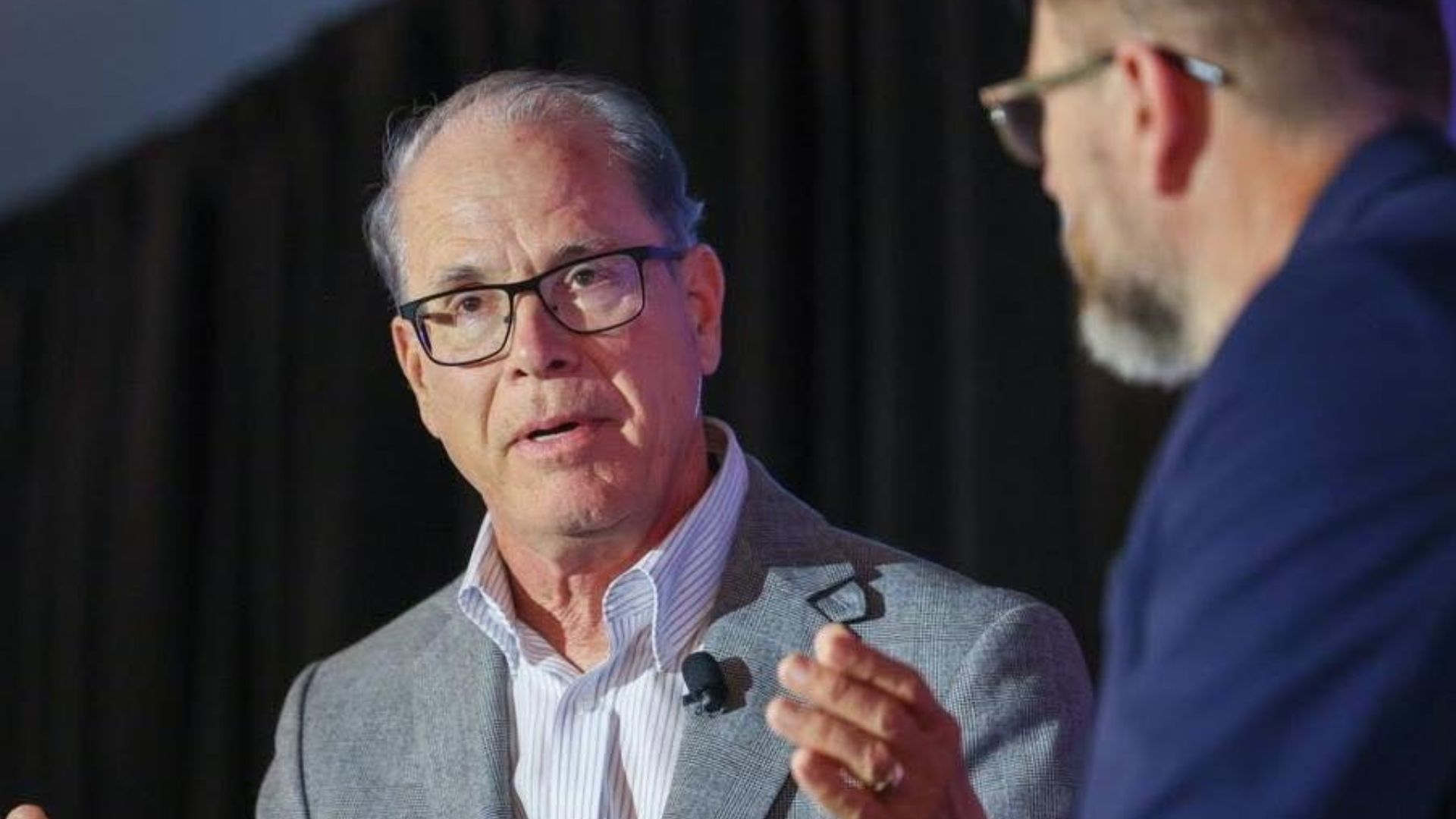
“Yesterday’s decision by the IURC to allow another rate increase by AES is unacceptable. When I appointed Abby Gray as the ratepayer advocate at the Office of Utility Consumer Counselor, I knew she would help me fight for Hoosiers. I am calling on the Office of Utility Consumer Counselor to petition for a reconsideration and rehearing of this case. My priority is improving affordability for Hoosiers,” Braun said.
Gray said the governor’s backing gives the consumer office a stronger hand as it prepares its next step.
“The Governor’s support for ratepayers is unprecedented, and I appreciate the opportunity to continue the fight for AES customers. My staff will work diligently to make this filing on behalf of ratepayers,” Gray said.
The June 17 decision approved a $71 million annual revenue increase, far below AES Indiana’s original request and below a partial settlement proposal that had been closer to $90 million. The increase is set to come in phases, beginning in July 2026 and continuing in January 2027.
For a typical residential customer using 1,000 kilowatt-hours a month, the base rate impact is expected to be less than $5 per month, while total bills could rise by less than $10 per month within the next year.
The case also comes after Braun made utility affordability a central issue of his first term. In 2025, he called for tougher scrutiny of utility profits and appointed Gray to lead the state’s ratepayer advocacy work. He also reshaped the IURC with new appointments and backed House Enrolled Act 1002, a 2026 law that changes how Indiana evaluates electric utilities, including through performance-based ratemaking and consumer protections tied to affordability and service.
For AES customers, the immediate result is still a higher bill. For Braun and Gray, the next chapter is a formal push to reopen the decision and test whether Indiana’s new affordability promises can carry real force.


