
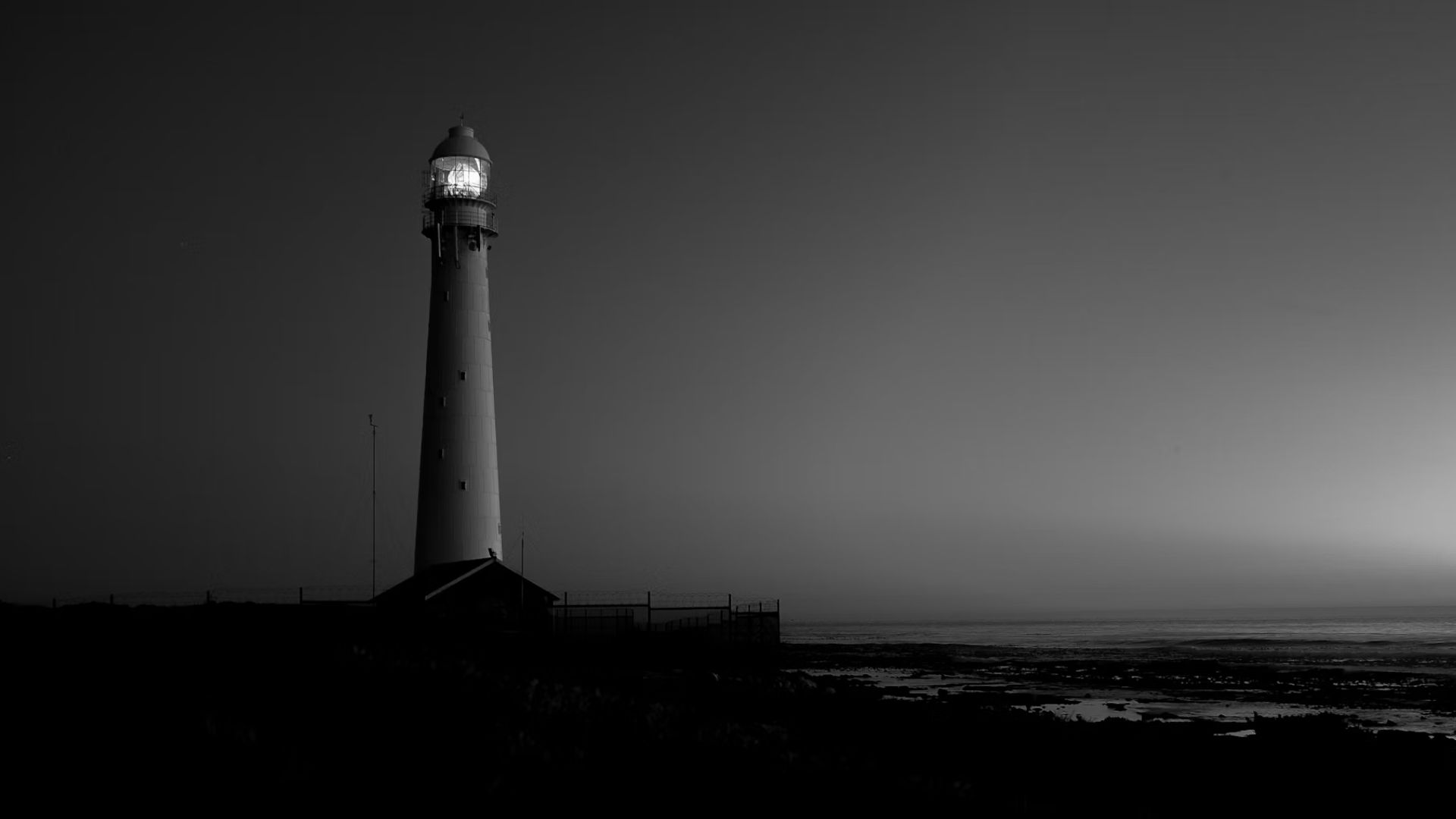
The black-and-white spiral rises above the trees like an enormous warning sign.
Even from a distance, Cape Hatteras Lighthouse is impossible to mistake for an ordinary tower. It was built to guide ships past one of the Atlantic coast’s most dangerous stretches, and its bold pattern still gives the landscape a sense of drama.
These days, however, visitors looking up at the famous structure may see something else: evidence of a major restoration project.
Read also: Top 6 reasons this Michigan town of about 5,000 people is a Christmas favorite
North Carolina’s Outer Banks have several lighthouses, each with a different shape, color, and story. The differences were not created simply to delight photographers. Distinctive daymarks helped mariners identify their position along a coastline where shifting shoals and storms could make navigation dangerous.

Credit: Getty
A road trip from Corolla south toward Ocracoke brings five distinctive lights into view. Some can be climbed during seasonal operating periods, others can only be appreciated from the ground. And one requires a ferry journey, making this more than a straightforward 105-mile drive. Plan the route as a coastal adventure rather than a race between towers.
The patterns tell a story before you enter
Imagine navigating close to shore before modern electronic charts and satellite systems. A lighthouse beam was important at night, but in daylight the tower’s shape and markings helped sailors distinguish one station from another. A red-brick tower did not look like a black-and-white striped tower.
A spiral pattern stood apart from solid white masonry.
The Outer Banks became known as part of the Graveyard of the Atlantic because of treacherous currents, shifting sandbars, and many shipwrecks. These lighthouses were practical responses to danger. Their beauty is almost a side effect of the engineering and navigation problems they were built to solve.

Credit: Unsplash
Today, a lighthouse visit can range from an easy waterfront stroll to a demanding climb up a narrow spiral staircase. Tickets, weather closures, and age or weight restrictions vary by site.
Read also: Some of the best Nashville hot chicken joints where the heat comes on white bread with pickles
Never assume all five operate under the same rules just because they appear on the same map.
1. Currituck Beach Lighthouse
Begin in Corolla, where Currituck Beach Lighthouse rises above the historic village landscape. Completed in 1875, it stands approximately 162 feet tall and remains unpainted, allowing its red brick to serve as the distinguishing daytime mark.
The lack of stripes gives the tower a distinctive personality. From outside, visitors can appreciate the texture of the masonry, the narrow windows, and the way the structure stands above the surrounding trees. It feels less like a polished monument and more like a building that still carries its original materials proudly.

Credit: www.visitnc.com
Climbing is one of the main attractions. The site is operated by Outer Banks Conservationists, and its published 2026 season runs from March 21 through November 30, weather permitting. Admission to climb is currently listed at $13, and visitors must be at least four years old. Tickets are purchased at the lighthouse rather than through an advance online reservation system.
The climb involves stairs and a steady effort, so wear comfortable shoes and don’t plan to sprint to the top. The view over the surrounding coastal landscape is the reward. You can see how the sound, shoreline, and developed communities fit together, a perspective that makes the lighthouse’s location more understandable.

Credit: www.visitnc.com
The nearby historic Corolla area also rewards a little wandering. Rather than arriving, climbing, and immediately leaving, consider exploring the village surroundings before heading south.
Read also: Must-see Julian-area bakeries where the apple pie comes out warm, flaky and piled high
This first stop sets the tone for the entire trip: history, strong coastal light, and the pleasure of seeing familiar land from an unfamiliar angle.

Credit: www.visitnc.com
2. Roanoke Marshes Lighthouse
The next stop brings a dramatic change of scale. Roanoke Marshes Lighthouse stands on the Manteo waterfront and looks nothing like the towering brick structures most people associate with the Outer Banks. Its small cottage-like form extends over the water, creating a particularly inviting scene for a harbor stroll.
The present structure is a replica built to recall the area’s historic screw-pile lighthouse tradition. That distinction matters. This is not the original nineteenth-century building surviving in its first location, but a modern interpretation of an important type of coastal light.

Credit: Town of Manteo
The setting helps explain the purpose. Whereas the major coastal towers guided ocean-going ships around dangerous points, smaller sound and harbor lights helped vessels navigate inland waterways. The architecture reflects that different assignment.
Manteo’s waterfront is well suited to a relaxed visit. You can walk along the boardwalk, enjoy views across the water, and look at the lighthouse without planning a strenuous outing. Interior access and seasonal hours can vary, so confirm current arrangements locally rather than assuming the building is open at every hour.
Read also: 8 Texas Hill Country towns that glow with Christmas lights every holiday season
This is also a good place to pause for lunch. The surrounding downtown offers restaurants and shops, allowing the lighthouse visit to become part of a broader afternoon. If you’re traveling with children or someone who doesn’t enjoy stairs, Roanoke Marshes provides a welcome alternative to the big tower climbs.
And photographically, it offers a different mood. The taller lights dominate the landscape; this one belongs to the harbor. The calm water and small structure make it feel almost intimate.
3. Bodie Island Lighthouse
Bodie Island Lighthouse stands near the northern section of Cape Hatteras National Seashore, south of Nags Head. Its horizontal black-and-white stripes make it immediately recognizable, particularly against the marshes and surrounding coastal vegetation.
First lit in 1872, the current tower reaches roughly 165 feet. It is among the most visually striking lighthouses on the coast because the broad stripes work almost like a piece of graphic design. Yet the purpose was practical: the pattern distinguished Bodie Island from neighboring towers when viewed from the sea.

Credit: National Park Service
Visitors can climb seasonally, but the current system demands a little planning. The National Park Service sells Bodie Island climbing tickets online through Recreation.gov beginning at 7 a.m. on the day of the intended climb. Tickets cannot be bought for a future date. The final scheduled climbing day for the 2026 season is November 5, with restricted days and hours during the late-season period.
That means a winter visitor should not assume the stairs will be open. The grounds and exterior are still worth exploring, and the lighthouse looks especially beautiful in the quiet light of a cool coastal morning. Check National Park Service updates for the next season rather than applying last year’s dates automatically.
The climb itself requires physical effort. Narrow staircases, temperature changes, and visitor restrictions are part of the experience. Read the rules before purchasing tickets, and choose an exterior visit if the climb is unsuitable for your group.
A photograph from the grounds can be just as memorable as the view from the top. The marsh setting makes the tower feel connected to the larger coastal environment instead of isolated as a single attraction.
4. Cape Hatteras Lighthouse
Cape Hatteras Lighthouse is the icon many people imagine when they hear “Outer Banks.” Built in 1870, the current tower rises about 198 feet and is widely described as the tallest brick lighthouse in the United States. Its black-and-white spiral pattern makes it unmistakable from a distance.
The tower stands close to a notoriously dangerous maritime area near Diamond Shoals, where ocean currents and shifting sandbars have challenged ships for centuries. The lighthouse’s extraordinary height and prominent daymark were meant to make its warning visible far offshore.

Credit: National Park Service
There is another major chapter in its history. In 1999, the lighthouse was moved inland to protect it from shoreline erosion. The enormous relocation remains one of the most fascinating preservation projects associated with an American lighthouse.
The current restoration project is another effort to preserve the structure. Work includes repairs to masonry and iron elements, repainting, and improvements around the light station. The National Park Service confirms that Cape Hatteras Lighthouse will not be open for climbing in 2026. Don’t book a trip on the assumption that the famous spiral staircase is available.
Visitors can still explore the surrounding light-station area subject to construction restrictions and park notices. Exhibits and exterior viewpoints offer context, and a virtual climbing experience provides another way to appreciate the tower. Conditions around the work site can change, so follow official signs and avoid construction areas.
Even without the climb, Cape Hatteras remains worth visiting. Seeing its size from the ground explains why it became such an enduring symbol of the coast. Sometimes a historic landmark is most interesting when you can appreciate both what it once did and the work now required to keep it standing.
5. Ocracoke Lighthouse
The final light requires an extra journey. Ocracoke Island is reached from Hatteras by ferry, and the crossing is part of the pleasure. Ocean air, open water, and the slower pace of island travel make the destination feel separate from the busier northern Outer Banks.
Ocracoke Lighthouse is a modest white tower, approximately 75 feet tall, completed in 1823. It is the oldest lighthouse in North Carolina still in service, according to state historical sources. Unlike its tall striped neighbors, its solid white finish serves as the recognizable daymark.

Credit: Ocracoke Lighthouse
This is not a climbing destination. The tower’s interior is generally closed to public climbs, although occasional seasonal access to the base may be offered. Check the National Park Service schedule for any special openings rather than assuming you can walk inside whenever you arrive.
The lighthouse fits the character of Ocracoke Village: small scale, maritime history, and a sense that walking is often more rewarding than rushing. You can enjoy the grounds, photograph the white tower against the trees, and spend the rest of the visit exploring the village.
The Hatteras–Ocracoke vehicle ferry is free and operates on a first-come, first-served basis without reservations. The crossing typically takes about seventy minutes, and waiting time can vary. A separate seasonal passenger ferry operates under different rules and charges a fare. Do not confuse the two when planning your itinerary.
Ocracoke deserves enough time for the ferry both ways and an unhurried stay. If you reach it only at sunset and immediately turn around, you’ll miss much of what makes the island special.
A few practical details before you turn south
The coastal drive becomes easier when you check several details in advance. Wind, rain, and lightning can close lighthouse climbs even during the advertised season. Staircases are narrow, and high temperatures can make climbing uncomfortable. If someone in your group does not want to climb, the grounds and nearby exhibits can still provide a worthwhile visit.
Carry water and sun protection in warm weather. For the Ocracoke leg, fill the tank before boarding and allow extra time in case ferry queues are long. Some GPS routes underestimate the total journey because they treat the water crossing like an ordinary road. Remember, too, that Cape Hatteras National Seashore is a protected natural area; follow posted signs, avoid fragile dunes, and stay on designated access routes.
The 105-mile claim needs a little perspective
Travel guides sometimes describe the five-lighthouse route as a roughly 105-mile drive. That can be a useful shorthand for the main stretch of Outer Banks geography, but it does not capture every detour, the ferry crossing, or the distance you may travel within Ocracoke. You should not plan a strict 105-mile trip and assume all five lights will appear directly beside the road.
A more relaxed itinerary divides the journey into two days. On the first, begin at Currituck Beach, visit Manteo, and continue to Bodie Island. On the second, explore Cape Hatteras and take the ferry to Ocracoke. That pace allows room for meals, weather delays, and the kinds of unexpected stops that make coastal drives enjoyable.
For visitors interested in climbing, Currituck and Bodie Island are the principal options in the current lineup, subject to seasonal schedules and restrictions. Cape Hatteras is closed to climbing through 2026, while Roanoke Marshes and Ocracoke are not normal public tower-climb destinations.
The best reason to follow the route is not a checklist of staircases. It is the opportunity to see how different communities used light, engineering, and distinctive patterns to respond to the hazards of the Atlantic coast.
From Currituck’s red brick to Ocracoke’s quiet white tower, each lighthouse tells a different part of that story. And once you’ve seen all five, those painted stripes will never look quite like ordinary decoration again.


