
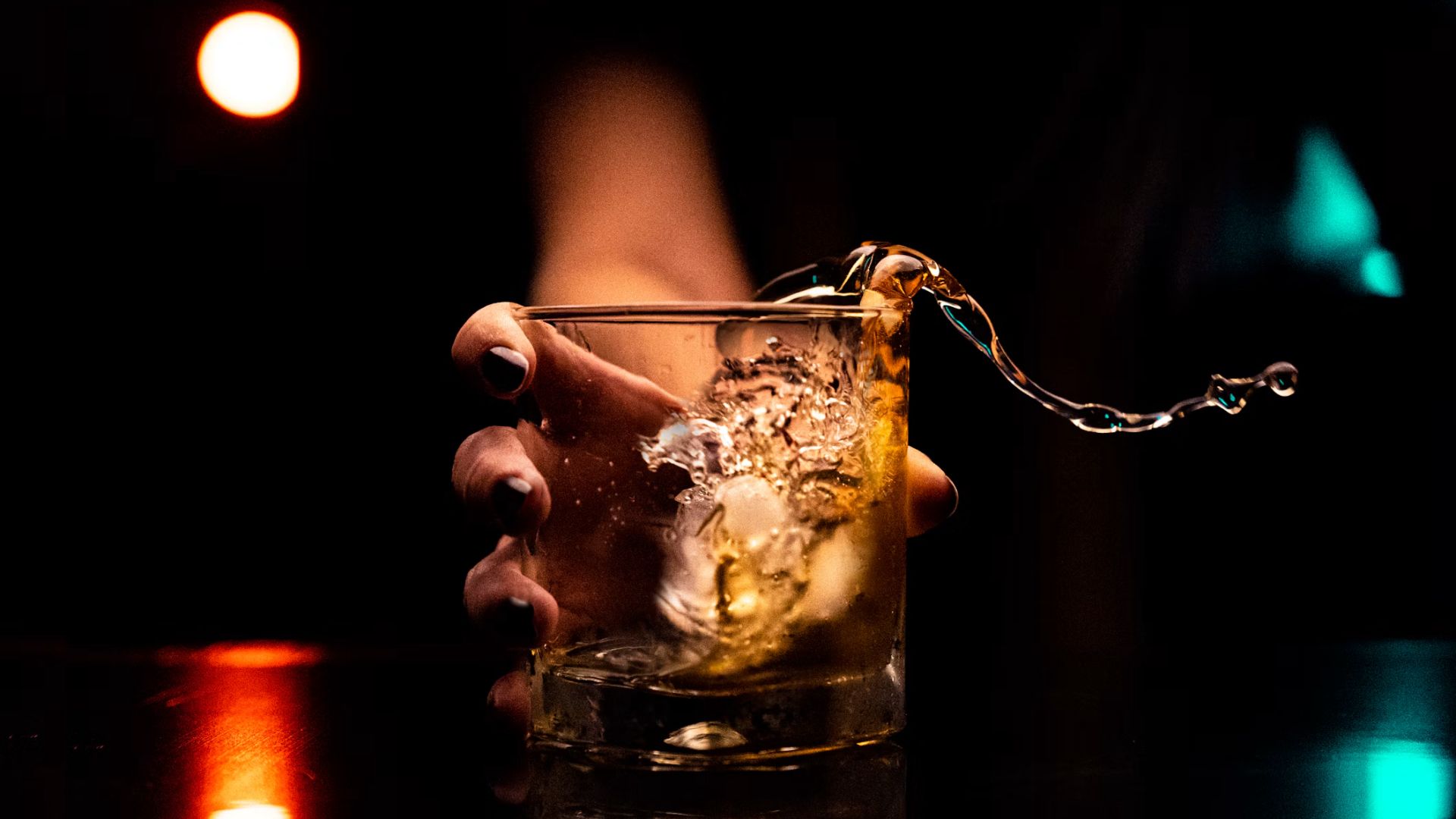
The floorboards have heard more conversations than anyone could count. A glass slides across an old wooden bar, somebody hangs a coat near the door, and the room looks so comfortably worn that you might expect a nineteenth-century newspaper to be waiting beside the window.
Outside, Manhattan keeps moving at full speed. Inside, the clock appears to have misplaced a few decades.
Read also: 6 Buffalo spots serving beef on weck the old-fashioned way that you won’t regret

Credit: Unsplash
New York loves what is new. A restaurant can become a sensation overnight, and an entire block can change its personality in a few years. That makes the old taverns especially appealing. Some have survived enormous changes in their neighborhoods, an occasional argument about who is truly the oldest, and periods when simply remaining open was an achievement.
One famous East Village ale house still offers a choice of just two beers and doesn’t take cards. Another sits in a building associated with George Washington.
A third decorates for Christmas so enthusiastically that a holiday visit becomes part of the attraction. And several still preserve enough of their original rooms to make ordering an ordinary drink feel like stepping into a different New York.
These seven taverns and bars trace histories stretching back more than 130 years. Their stories are wonderful, though not every founding claim is as simple as it sounds. New Yorkers have been debating the title of oldest bar for almost as long as people have been ordering another round.

Credit: Unsplash
Before ordering, understand the oldest-bar argument
A bar’s age sounds like a straightforward fact. In New York, it becomes a surprisingly complicated question. Is the important date when the building went up? When the premises first sold alcohol? Whether the same business remained open during Prohibition? Or whether owners and names changed along the way?
Fraunces Tavern claims connections to the eighteenth century, but the business and building have undergone changes. Pete’s Tavern stresses continuous operation.
Read also: 8 Reading terminal market stands Philadelphia locals say you can’t skip
McSorley’s celebrates a distinctive nineteenth-century identity, although historians have questioned aspects of its traditional opening-date story. Old Town Bar’s name and location have their own complicated history.

Credit: Unsplash
Another thing worth knowing: a historic bar doesn’t necessarily mean an old-fashioned drinking experience in every respect. Some have full restaurant menus and take credit cards. Others remain stubbornly limited in what they serve. Hours, reservation policies and crowds change, especially around the holidays.
If you want a memorable evening, pick two or three neighborhoods rather than trying to visit all seven in one hurried sprint. The pleasure comes from the rooms, the stories and the chance to settle in.
1. Fraunces Tavern — Financial District
Begin with the kind of history that makes a glass of beer feel like an afterthought. Fraunces Tavern stands at 54 Pearl Street in Lower Manhattan, in a location associated with the city’s colonial and Revolutionary past.
Read also: 6 Chicago beef stands where the Italian beef comes dipped, juicy and topped with giardiniera

Credit: Old Town Bar
Samuel Fraunces established a tavern here in 1762. The building became a meeting place for political and military figures during a period when New York’s future was far from settled. Its best-known moment came in December 1783, when George Washington said farewell to his officers in the Long Room after the Revolutionary War.
Today, Fraunces functions as a restaurant, bar and museum. Its historical interpretation is a substantial part of the appeal, so visitors can do more than sit down for a drink. The exhibits help place the tavern within the larger story of New York and the American Revolution.
For food, expect a hearty tavern-style menu rather than a tiny selection of bar snacks. If you’re interested in a drink, ask for one of the available beers or a traditional whiskey-based cocktail, remembering that current offerings may change.

Credit: Old Town Bar
The building has been restored and altered over the centuries, so it would be misleading to imagine every beam and surface remaining exactly as Washington encountered them. Nevertheless, the historical association is genuine, and the setting encourages a different sort of attention.
It’s an especially good daytime stop. Visit the museum, explore the surrounding Financial District streets and return for a relaxed meal. The contrast between centuries-old tavern history and nearby modern towers is almost worth the journey by itself.

Credit: Old Town Bar
2. The Ear Inn — SoHo
A few blocks from the Hudson River, an old townhouse offers one of Manhattan’s most delightful examples of how neighborhood history can be preserved in a modest room. The Ear Inn occupies 326 Spring Street, in a building with tavern traditions that go back to the early nineteenth century.

Credit: The Ear Inn
Its story is inseparable from the shoreline. In the 1800s, the river reached much closer to Spring Street than it does today. Waterfront workers, sailors and other neighborhood regulars formed part of the early clientele. The area changed, the shoreline moved, and the tavern remained.
The name arrived much later. In the 1970s, the owners were associated with a music publication called The Ear. Rather than purchase an entirely new sign, the old BAR sign was altered to read EAR. It’s exactly the sort of thrifty, funny detail that makes the establishment memorable.
Inside, the attraction is less about a specific famous cocktail than the feeling of the room. You come for an informal beer, perhaps something from the food menu, and a chance to sit in a place that has watched its neighborhood transform.
If possible, stop on a quieter afternoon before the after-work rush. You can appreciate the building and the stories without feeling that someone is waiting for your seat. The Ear Inn rewards people who enjoy history without wanting to turn every visit into a formal lesson.
3. McSorley’s Old Ale House — East Village
There are establishments that offer a complicated drinks menu. McSorley’s is not one of them.
Walk into 15 East Seventh Street and the choices are essentially light ale or dark ale. The ale is famously served in small mugs, traditionally in pairs. That’s the system, and generations of visitors have accepted it as part of the experience.

Credit: McSorley’s Old Ale House
McSorley’s traces its establishment to 1854 and is closely associated with Irish immigrant John McSorley. Old photographs, memorabilia and worn wooden surfaces fill a room that seems determined to preserve its identity. Sawdust on the floor is part of the image visitors remember.
The tavern’s history also includes an exclusionary practice that should not be treated as charming nostalgia. Women were barred from entering until 1970, when a legal battle forced the business to admit them. The old motto included an explicitly discriminatory reference to women. It’s part of the establishment’s past, not a tradition to celebrate.
The current experience is much more straightforward: choose an ale, find a place to stand or sit, and look around. The limited drinks selection is not an inconvenience to overcome; it is practically the organizing principle of the room.
One practical detail remains essential. McSorley’s is cash-only. Bring enough for your drinks and any food, and don’t arrive expecting a card terminal to solve the problem.
A weekday afternoon can be more comfortable than a busy weekend evening. Either way, accept that the room will probably be noisy. This is old New York with plenty of energy, not a hushed museum where everybody whispers.
4. Pete’s Tavern — Gramercy
If New York’s holiday season makes you want somewhere warm, crowded and extravagantly decorated, Pete’s Tavern is a particularly tempting choice. At 129 East 18th Street, this Gramercy establishment makes Christmas atmosphere part of the experience.
The tavern traces its business history to 1864 and claims an especially long tradition of continuous operation. Its own historical account places the construction of the current building in 1851, a reminder that old-city dates can become confused when repeated across travel guides.

Credit: Pete’s Tavern
Pete’s also has a literary legend. The owners associate the tavern with O. Henry and the story The Gift of the Magi. That connection is widely repeated, though it’s best understood as part of the establishment’s own history and tradition rather than proof of precisely where every sentence was written.
The room is full of old-fashioned New York charm: dark wood, snug seating and a more substantial restaurant experience than you find at some of the city’s simpler ale houses. Order from the current menu, which combines familiar Italian-American and tavern comfort dishes, and leave time to enjoy the setting.
Holiday decorations often appear early, transforming the interior with lights and ornaments. If the goal is a December outing, make a reservation where available or prepare for a wait. The decorations attract people who may not otherwise be interested in historic bars.
The most appealing moment can be the one after dinner, when the room settles around you and you realize the surrounding city has changed far more than the basic pleasure of gathering for a meal.
5. Landmark Tavern — Hell’s Kitchen
The Landmark Tavern still carries something of its old waterfront identity. When Patrick Henry Carley opened the tavern in 1868, the Hudson River was much closer to the building, and the streets around it looked very different from today’s Hell’s Kitchen.
The establishment stands at 626 Eleventh Avenue. It originally served as both saloon and home, with the Carley family living upstairs. That combination was practical for a neighborhood business in nineteenth-century New York, and it gives the building an interesting domestic history alongside its drinking-room stories.

Credit: Landmark Tavern
Prohibition brought another chapter. The tavern’s own history describes how the premises adapted during that difficult period, including use of upper-floor space connected to the era’s speakeasy culture.
Today, Landmark serves Irish-American food and a full selection of drinks. It is a useful stop if you want a historic room but also a proper lunch or dinner. Order a familiar pub dish, settle in with a beer, and give yourself time to notice the building rather than racing on to the next attraction.
The restaurant’s current website lists its bar open from noon until midnight daily, while the kitchen closes earlier. Confirm holiday hours if your visit falls near Christmas or New Year’s.
Landmark is a particularly good choice for visitors exploring the west side. Nearby streets are busy and modern, making the tavern’s old-world setting all the more noticeable.
It’s a reminder that New York history isn’t confined to its best-known downtown neighborhoods. Sometimes it survives in a working neighborhood pub, a little away from the usual sightseeing routes.
6. White Horse Tavern — West Village
Some bars are remembered for their beer. Others become part of literary history. The White Horse Tavern has managed to do both, and the writers associated with it provide much of its enduring mystique.
Opened in 1880 at 567 Hudson Street, the tavern originally served a neighborhood connected to the nearby docks. Over time, the West Village changed, and the room attracted artists, writers and people interested in the conversations that could happen there.
Dylan Thomas is perhaps the best-known name associated with the tavern, although stories about his final days are often retold with more dramatic flourish than careful documentation. Jack Kerouac is another frequently mentioned visitor, and anecdotes about his behavior have become part of the bar’s mythology.
That literary heritage makes the place appealing even if you aren’t particularly interested in the drinks. There is something enjoyable about sitting in a room associated with so many conversations, arguments and late nights.
The tavern has changed ownership over the years, and its modern menu reflects a working restaurant and bar rather than a preserved literary exhibit. Order something simple, perhaps a beer or a traditional cocktail, and appreciate the neighborhood atmosphere.
The West Village rewards a walk before or after your visit. Its narrow streets and older buildings feel different from much of Manhattan’s street grid, and the river is not far away.
If you’re hoping to experience the tavern rather than merely photograph its exterior, visit outside the most popular evening hours. The room’s most interesting feature is its atmosphere, and that is easier to absorb when you can find a place to sit.
7. Old Town Bar — Flatiron District
A long mahogany-and-marble bar, old wooden booths and a tall pressed-metal ceiling make Old Town feel like the set of a movie. In fact, its unmistakable interior has appeared in films and television, but it remains a functioning neighborhood establishment.
You’ll find it at 45 East 18th Street, near Union Square. Its business history is generally traced to 1892, though sources differ about the precise origins and when the current premises took their familiar form. That uncertainty is a good reason to avoid treating one date as the final answer to New York’s oldest-bar debate.
What isn’t difficult to appreciate is the architecture. The long bar invites you to pause, while booths offer a slightly more private place to talk. The historic fixtures are memorable enough that even longtime New Yorkers sometimes notice something new.
The menu is reassuringly straightforward. Burgers, bar snacks and drinks fit the room’s informal personality. You needn’t order something elaborate to feel you’ve had a proper experience.
Old Town is especially enjoyable around the holidays, when the atmosphere lends itself to a relaxed afternoon or evening with friends. Its current site lists daily opening hours, with later closings on most weekdays and weekends.
Not every New York memory needs a famous visitor or a centuries-old legend. Sometimes the best part is simply finding a table in a place that has managed to stay itself.
Choose a neighborhood, not a race against the clock
If these seven places share anything, it’s an ability to make time feel slightly different. Fraunces Tavern connects a meal to the Revolution. The Ear Inn recalls a vanished waterfront. McSorley’s preserves a fiercely specific drinking tradition, while Pete’s turns holiday decoration into an event. Landmark, White Horse and Old Town each tell another version of how a neighborhood changes around a familiar gathering place.
You could try to visit them all in one weekend. But the sensible way to enjoy them is slowly. Pick one or two close together, take a walk through the neighborhood and leave enough time to sit down.
Respect the practical differences. McSorley’s takes cash only. Other places have restaurant kitchens, reservations and seasonal schedules. Historic establishments can become extremely busy at holiday times, and a long wait is not a sign that the experience is automatically better.
Most importantly, don’t become too concerned with deciding which bar is the oldest. Buildings have moved through owners, businesses have changed names, and New York’s history rarely fits into a neat contest.
The pleasure is simpler than that. Find a comfortable seat, order something you enjoy, and look around. In a city famous for racing toward the next big thing, it’s rather satisfying to spend an hour somewhere that has been welcoming people for more than a century.


