
A federal court ruling has dealt a significant setback to the Trump administration’s effort to suspend billions of dollars in social service funding across five states, including California and New York. This halts a sweeping freeze that officials said was aimed at preventing fraud and safeguarding taxpayer money.
U.S. District Judge Vernon Broderick in New York issued a preliminary injunction blocking the administration from withholding roughly $10 billion in annual funds allocated to Minnesota, California, Illinois, New York and Colorado. The decision means the affected states will continue receiving federal support for key safety-net programs while the broader legal battle unfolds.
At the center of the dispute is the Department of Health and Human Services’ attempt to pause funding tied to three major programs: Temporary Assistance for Needy Families (TANF), the Child Care and Development Fund, and the Social Services Block Grant. Together, the programs provide direct cash assistance, subsidized child care, job training, child protection services and elder care support to millions of low-income families nationwide.
According to court filings, the proposed freeze would have slashed approximately $7 billion from TANF, $2.4 billion from child care assistance and $870 million from social services grants. State officials warned that even a temporary interruption could destabilize families already struggling to afford housing, food and child care.
The administration defended its actions as a necessary step to address alleged misuse of federal dollars. Health and Human Services Deputy Secretary Jim O’Neill said during a press briefing that
“Families who rely on child care and family assistance programs deserve confidence that these resources are used lawfully and for their intended purpose,” said O’Neill. “This action reflects our commitment to program integrity, fiscal responsibility, and compliance with federal requirements.”
Fraud concerns have been especially pronounced in Minnesota, where more than 60 individuals were convicted in connection with a scheme that siphoned hundreds of millions of dollars from a federally funded nutrition program during the COVID-19 pandemic.
In response, Agriculture Secretary Brooke Rollins directed Governor Tim Walz to recertify the eligibility of nearly 100,000 households receiving Supplemental Nutrition Assistance Program benefits within 30 days or risk losing federal funding.
That directive was separately blocked by Judge Laura M. Provinzino, who ruled that the Department of Agriculture had failed to provide a reasoned explanation for its order. The Minnesota case added momentum to broader concerns among states that federal agencies were moving too aggressively without adequate legal grounding.
Attorneys general from the five states argued in court that the funding freeze was abrupt, unlawful and harmful to residents who depend on stable public assistance.
“We are pleased that the court has once again sided with us. The Trump Administration’s actions are not only unlawful — they are cruel, targeting the most vulnerable among us,” said Attorney General Bonta.
“My fellow attorneys general and I will not relent in this case, and we are confident that we will ultimately prevail in permanently blocking the unlawful funding freeze.”
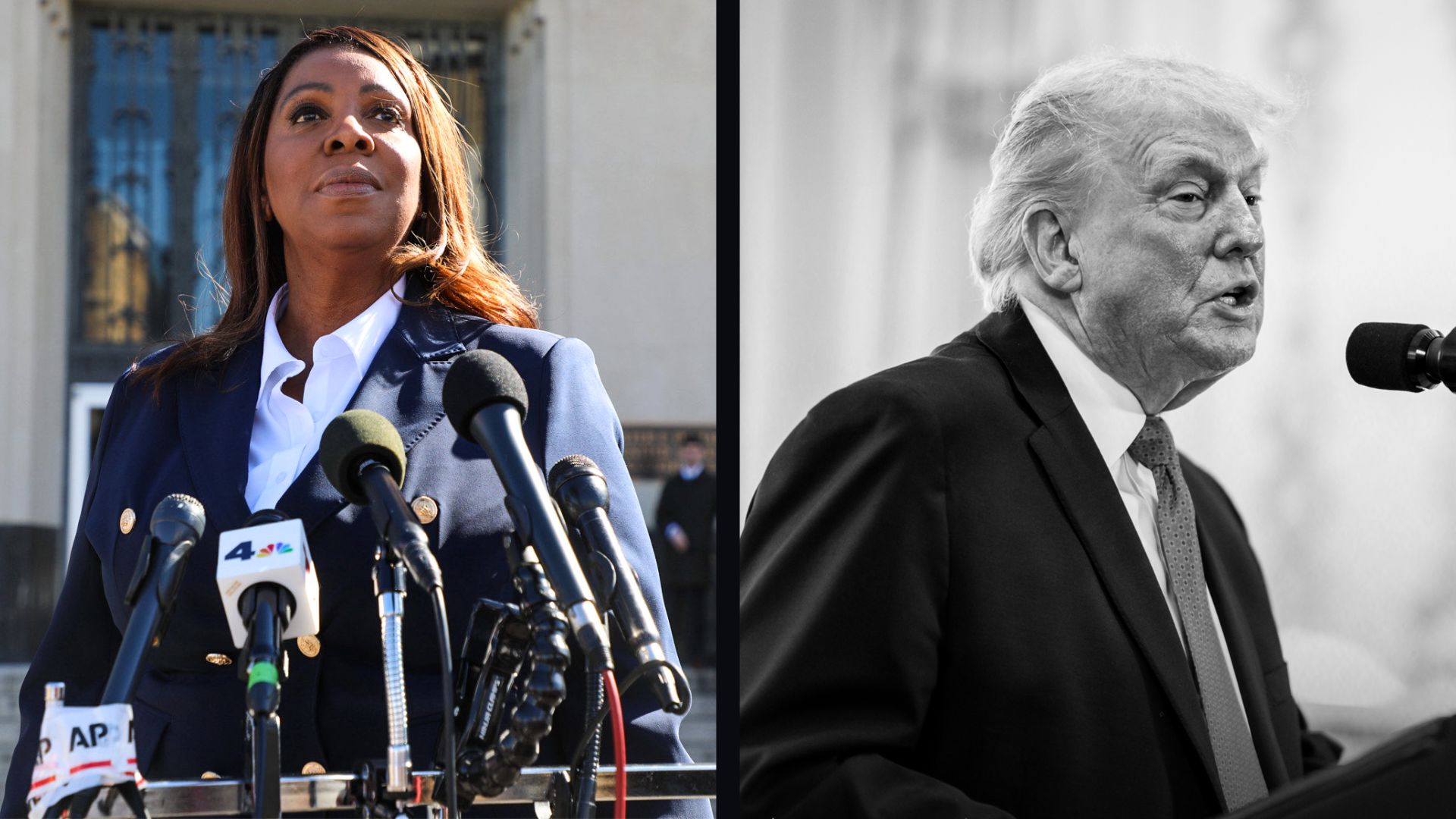
“Every day, hundreds of thousands of New Yorkers rely on these funds to pay for necessities and provide their children a safe place to learn. This illegal funding freeze would have caused severe chaos in the lives of some of the most vulnerable families in our state. I am proud to have secured another victory in this case to put a stop to it,” James said.
For now, Judge Broderick’s injunction preserves the status quo. Funding will continue to flow as litigation proceeds, preventing immediate disruption to child care centers, social service agencies and families receiving cash assistance.
Legal experts say the case could have lasting implications beyond the five states involved. At issue is not only the integrity of specific programs, but also the scope of federal authority to suspend congressionally appropriated funds based on fraud concerns. The states are expected to push for a permanent injunction, while the administration continues to argue that stricter oversight is essential to prevent abuse.
The stakes, meanwhile, remain high: billions of dollars, millions of beneficiaries and a fundamental question about how far federal agencies can go in reshaping social policy through administrative action.


