
California – A fierce legal storm is already brewing over a draft executive order that critics say would dramatically expand presidential power over U.S. elections just months before the 2026 midterms. Legal experts and some California lawmakers are already preparing to move immediately with legal case in case the rumors become reality anytime soon.
The controversy erupted after details surfaced of a 17-page draft order circulating among allies of President Donald Trump. According to reporting on the document, the proposal would allow the president to declare a national emergency and assume sweeping authority over federal election procedures. Legal scholars and Democratic lawmakers quickly denounced the plan, calling it an unprecedented attempt to override constitutional safeguards.
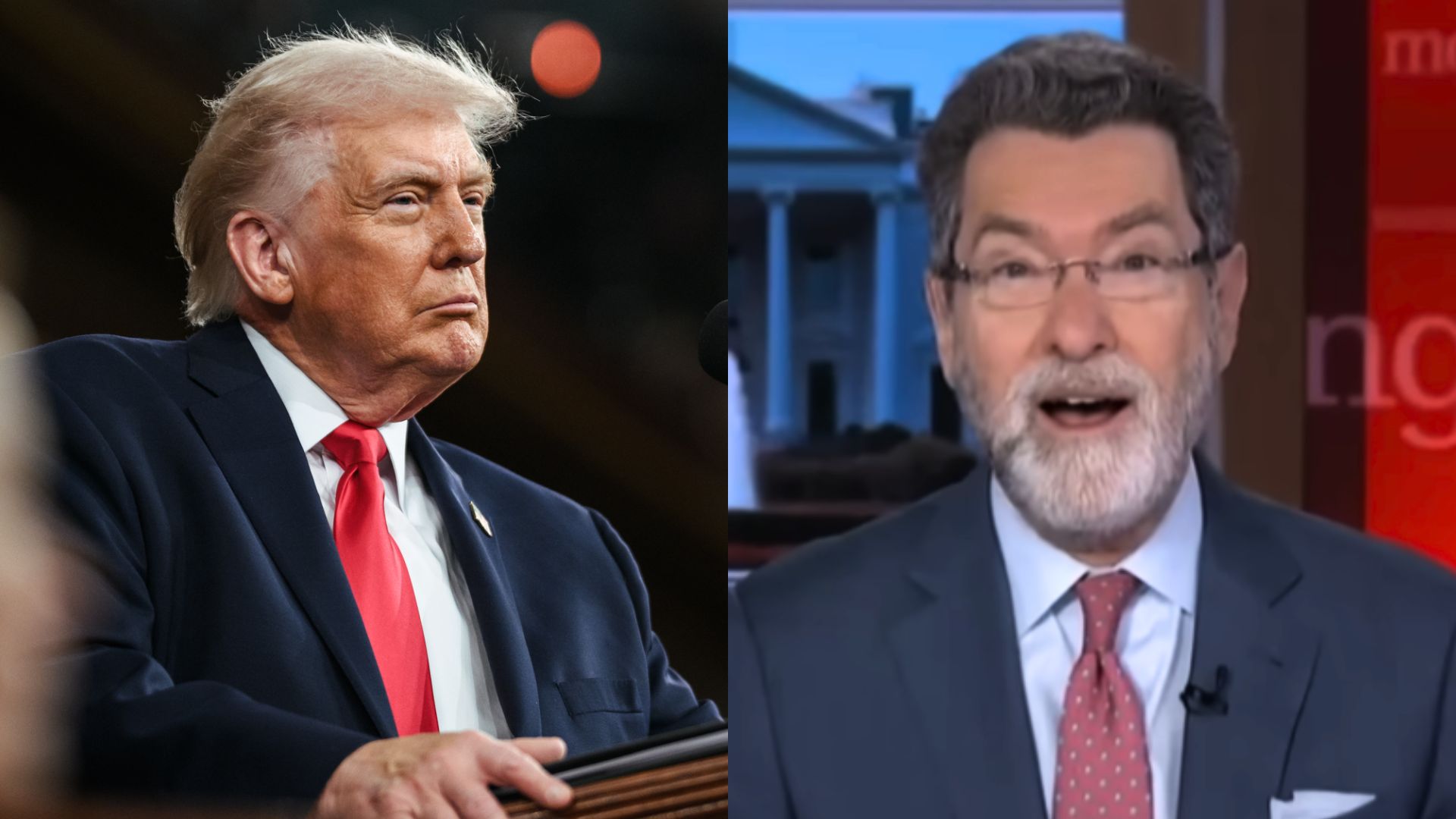
Norm Eisen, executive chair of the State Democracy Defenders Fund, issued a blunt warning during an appearance on MSNBC’s “Morning Joe.” If such an order is signed, he said, the legal response would be immediate.
“We’ll be in court within the blink of an eye if Trump declares an emergency over elections,” Eisen stated during a high-profile appearance on Morning Joe. “I have worked on 264 legal cases and matters against the Trump administration… If he tries this, it will be 265. This is unconstitutional and insane.”
At the center of the dispute are two federal laws: the National Emergencies Act and the International Emergency Economic Powers Act. The draft reportedly relies on those statutes to frame mail-in ballots and voting machines as potential channels of foreign interference, specifically citing China. By invoking emergency powers, the order would seek to shift control of certain election procedures from states to the federal government.
The draft order, as described, would attempt to nationalize voting rules by imposing strict voter identification requirements, restrict or even ban mail-in ballots, and authorize federal control over voting machines based on allegations of foreign interference tied to the 2020 election. Those claims, however, have been widely rejected by courts and election officials in prior litigation.
Constitutional scholars argue that the proposal conflicts directly with Article I, Section 4 of the U.S. Constitution, which assigns authority over the “Times, Places and Manner” of elections to state legislatures and Congress. They say the executive branch does not have independent power to rewrite election rules through emergency declarations.
Rep. Ted Lieu (D-California) stated that the Constitution provides no emergency loophole allowing the President to override state election laws.
“There is no national emergency exception to Article I, Section 4 of the Constitution,” Lieu said. “Courts will strike this down just as they did with the administration’s illegal tariffs.”
On February 20, 2026, the Supreme Court ruled 6–3 against the administration’s use of the International Emergency Economic Powers Act to impose global tariffs. That decision is now being cited as a potential precedent in any legal fight over election-related emergency powers. Critics of the draft order argue that the ruling signals the Court’s skepticism toward expansive interpretations of executive authority under emergency statutes.
The timing of the proposal has heightened tensions. With the 2026 midterm elections on the horizon, advocacy groups say the draft order amounts to an attempt to reshape election rules in the middle of a national campaign cycle. Reports indicate that pro-Trump attorney Peter Ticktin has been involved in discussions with the White House about refining the legal arguments behind the order.
Voting rights advocates contend that the administration is attempting to create the appearance of a crisis where none exists. At a recent Senate Rules Committee forum chaired by Senator Alex Padilla of California, experts testified that there is no factual basis for declaring a national emergency related to election administration.
Pamela Smith, president and CEO of Verified Voting, said in a statement that, “invoking emergency powers over elections amounts to claiming make-believe authority in response to an imaginary emergency.”
If the president moves forward and signs the order, state attorneys general and civil rights organizations are expected to seek immediate injunctions in federal court. Legal observers say the fight would likely move swiftly through the judicial system, given the stakes and the approaching election calendar.
For now, the draft remains just that — a proposal. But the warning from its opponents is unmistakable: should it become policy, the courtroom battle will begin almost instantly.


