
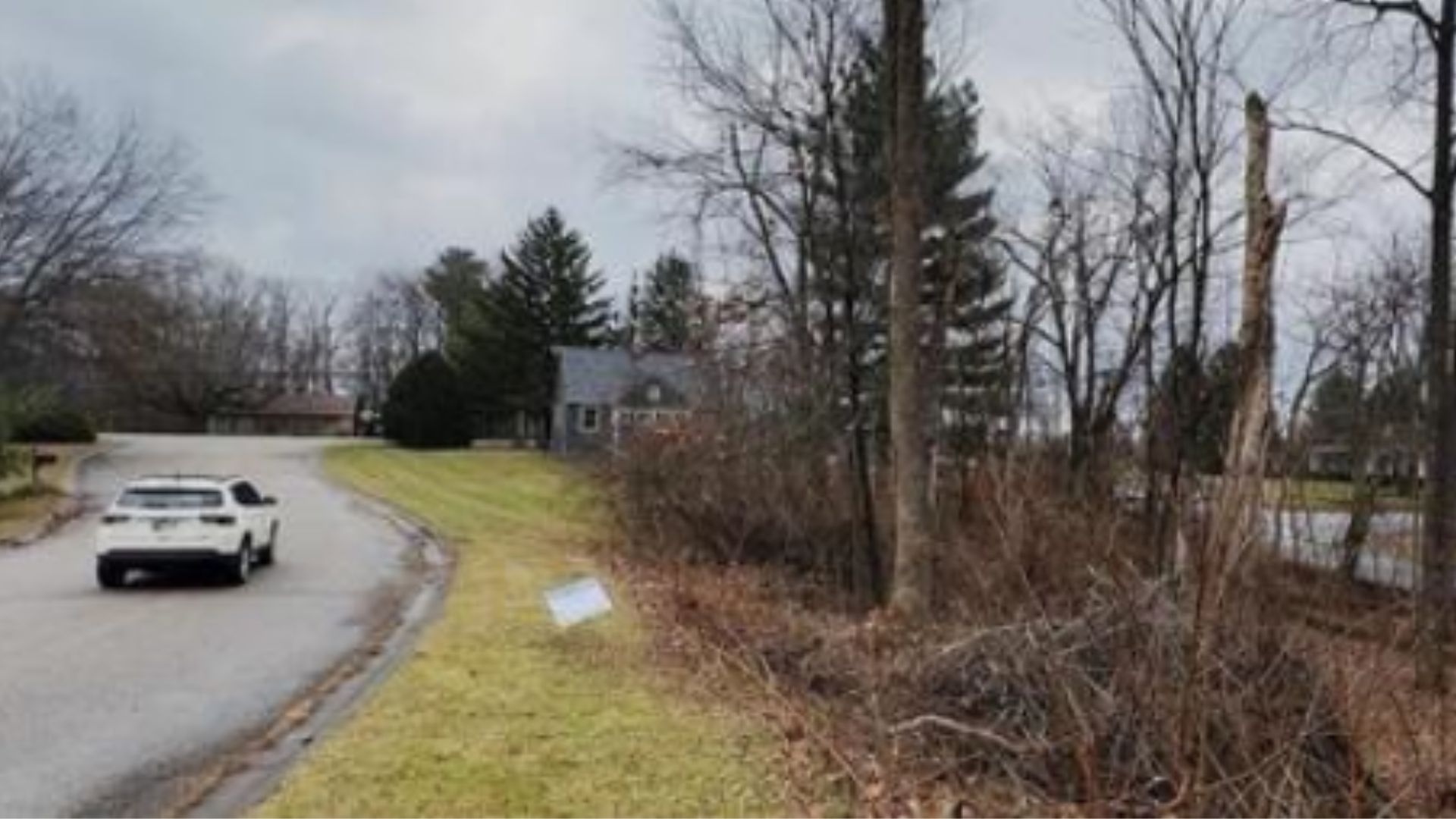
Bloomington, Indiana – Bloomington’s borders grew slightly in December, but the city’s expansion has opened a much larger debate over housing, infrastructure, and who gets to decide how the city develops. The City Council approved the voluntary annexation of a small lot on Cory Drive on the west side of town, adding just 0.39 acres, yet the decision carries implications far beyond its size.
The annexed lot, owned by a limited liability company called Kanyison, sits at the intersection of several key policy debates: housing density, sewer service access, and the limits of local control over development. The city’s decision comes as litigation over annexation practices remains pending before the Indiana Supreme Court, and as a state law affecting annexation is itself under legal challenge. Observers say how the city handles this and similar annexations could determine whether Bloomington grows lot by lot or faces new barriers in expanding its borders.
The property owner wants to build a duplex, but city sewer access is a requirement for development. Bloomington has stopped extending sewer service to unincorporated county areas while annexation litigation plays out, which means county landowners must be annexed before they can connect to the city’s infrastructure. While city council members weighed legal and policy considerations, some nearby residents voiced immediate concerns over flooding and erosion.
In the December vote, six of the nine council members supported the voluntary annexation. Council Vice President Isabel Piedmont-Smith emphasized that the impacts of any potential development would be addressed later. “The property owner would still have to clear multiple administrative hurdles before he would be allowed to build anything,” she said.
Opposition came from Council Parliamentarian Courtney Daily and members Dave Rollo and Andy Ruff. Daily expressed skepticism about whether annexation was in the best interest of the city or the Cory Drive residents. Ruff cited concerns over flooding, while he and Rollo both argued it would make more sense to wait for the outcome of ongoing litigation.
Council member Matt Flaherty framed the decision in terms of state interference in local affairs. “The city’s current policy to not extend sewer service outside the city’s borders was a result largely of the state’s interference in Bloomington’s annexation,” he said. Bloomington previously extended sewer service into the county in exchange for remonstrance waivers, which prevented property owners from opposing future annexation. In 2019, however, the state invalidated waivers older than 15 years. The city contends that this move disrupted annexation plans and violated both state and federal law.
Flaherty said there was little reason to delay the vote on Cory Drive. “If the city prevails, the property will be annexed anyway. And if the state prevails, we could still approve voluntary annexation for this property,” he explained. Council President Hopi Stosberg noted that the property owner’s request also came in response to recent land use changes enacted by county commissioners, who generally oppose city annexation and have downzoned more than 200 properties in the area to restrict multifamily housing.
Under the county’s new zoning rules, the Cory Drive lot could not accommodate a duplex without annexation, even if the owner could access city sewer lines. “There’s, like, a lot of politics back there,” Stosberg said. “We’re in a housing crisis, so to take something completely off the table, before it’s had environmental review, before it’s gone through any of these steps, and just say, ‘Oh we’re not going to allow anything to be built here, ever, because it’s too small … I get real concerned about that.”
The Cory Drive property is part of what the city refers to as Annexation Area 4, a section of the west side the city has attempted to annex since 2017. Area 4 is one of three so-called “islands” surrounded by city property but still part of the county. The ongoing litigation over Area 4 may ultimately be decided by the Indiana Supreme Court, making the Cory Drive vote a small but potentially symbolic decision in the broader contest over Bloomington’s growth.
Kanyison LLC, the company that owns the property, was formed in the summer of 2024. Its president, William Kanyi Wamathai, also runs other LLCs, including Avenir USA and the previously dissolved IKOP USA. The Cory Drive annexation, while affecting a single lot, underscores the way development, politics, and legal strategy intersect in Bloomington’s west side.
Local residents continue to watch these developments closely. Concerns over flooding, traffic, and infrastructure access remain central to debates over annexation, even as city leaders stress the importance of expanding housing options. Bloomington has faced persistent pressure to increase housing density as the population grows, and the Cory Drive lot, though small, highlights how even minor parcels can spark significant discussion.
The annexation also raises questions about city-county relations. County commissioners have long opposed certain types of city expansion, particularly in areas where denser housing is proposed. Council members argue that voluntary annexation is a tool for property owners to advance their plans while complying with new land use restrictions, but it also highlights tension between local control and state mandates.
For Bloomington, the stakes are clear. Housing demand is rising, sewer and infrastructure capacity are finite, and annexation decisions carry both legal and political weight. How the city navigates these complex issues will shape its future growth strategies, particularly on the west side where islands of county property remain. While the Cory Drive vote dealt with a single lot, the discussion reflects broader dilemmas about urban planning, legal authority, and community input.
“Even small annexations can have outsized effects on how our city develops,” said Stosberg. “They set precedent and reveal how state law, local policy, and political considerations intersect. How we handle this lot could inform future decisions across the city.”
As Bloomington looks ahead, council members and residents alike understand that annexation is more than a technical process. It is a lens through which the city’s growth, housing availability, and environmental planning are examined. Legal battles, state interference, and political negotiations all play a role in determining how the city accommodates new development while balancing infrastructure capacity and community concerns.
For now, the Cory Drive annexation stands as both a small victory for property owners seeking development and a reminder of the larger forces shaping Bloomington’s future. The city’s approach to annexation, housing, and infrastructure will continue to be closely watched as litigation progresses, state law evolves, and the pressures of population growth shape policy decisions.
Whether the outcome favors the city, the state, or individual property owners, Bloomington’s experience with Cory Drive shows that even a fraction of an acre can illuminate the complex challenges of managing growth, planning for housing, and reconciling local priorities with state-level policies. The conversation around annexation is far from over, and the decisions made now may define how Bloomington grows for years to come.


