
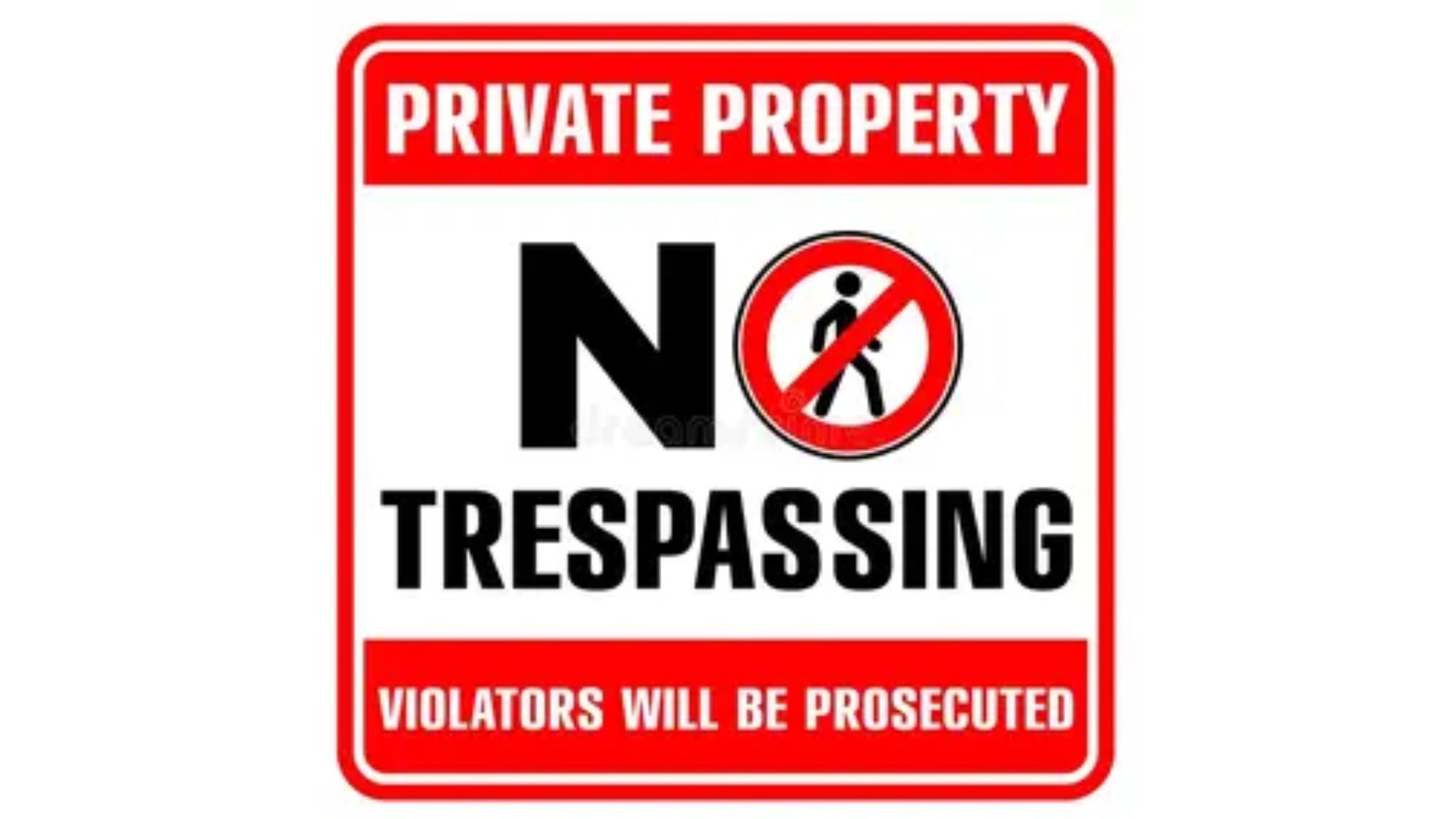
Bloomington, Indiana – Businesses across Bloomington continue to face a familiar challenge. While overall crime rates have remained relatively steady, many commercial properties are dealing with persistent nuisance behavior that disrupts daily operations and places added strain on public safety resources. Trespassing, loitering, and repeated disturbances may not always rise to the level of serious crime, but their cumulative impact is anything but minor.
Over time, these issues can chip away at a business’s stability. Owners report lost customers, higher employee turnover, rising insurance costs, and frequent clean-up expenses. Perhaps just as damaging is the less tangible effect: a growing sense that certain commercial areas no longer feel welcoming or well-managed. For many property owners, the frustration is compounded by the feeling that there are limited tools available to address repeat problems.
One simple and often overlooked option exists through the City of Bloomington Police Department. The Criminal Trespass Authorization form allows commercial property owners to formally authorize police to act on their behalf when trespassing becomes an ongoing issue. Despite its potential, the form remains underused.
Under Indiana law, police officers cannot issue a trespass warning or take enforcement action on private property unless the owner has granted clear authorization. Without that approval on file, officers responding to calls are often limited in what they can do. The result is a cycle of repeated calls for service with little long-term resolution.
Completing the Criminal Trespass Authorization form changes that dynamic. By filing the form, property owners give Bloomington Police Department officers the legal authority to act as their agent for trespass enforcement. This allows officers to issue formal trespass advisements that can remain in effect for up to 180 days, creating consistency when dealing with individuals who repeatedly return to the same property without permission.
The form also helps protect the people who rely on these spaces every day. Tenants, employees, customers, and neighboring businesses all benefit when property boundaries are clearly enforced. Rather than addressing each incident as a one-off, officers can respond with clearer guidance and follow-through.
It is important to note what the form does not do. It does not authorize routine police patrols of private property, and it is not intended to criminalize hardship or target vulnerable individuals simply for being present in public. Instead, it provides law enforcement with the legal backing they need when a property owner requests help addressing repeat trespassing or disruptive behavior.
Business leaders have increasingly emphasized that compassion and accountability must exist side by side. Property owners are not asking for heavy-handed enforcement, but they do need practical tools to manage their spaces when behavior becomes frequent, disruptive, or unsafe. Encouraging wider use of the trespass authorization form helps close the gap between repeated calls for service and meaningful, lawful action.
The form is intended for a broad range of commercial stakeholders. Owners of retail buildings, shopping centers, and office complexes are encouraged to complete it. Landlords overseeing mixed-use or multi-tenant properties can also benefit, as can property managers acting on behalf of owners. In many cases, tenants who are experiencing repeated issues may not have the authority to file the form themselves, making communication with the property owner or manager especially important.
Completing the authorization is straightforward and must be renewed annually. Once on file, it ensures that property owners have access to this enforcement option when it is truly needed. If individuals are on a property without permission, owners or managers can contact the Bloomington Police Department’s nonemergency line at 812-339-4477 or reach out by email at [email protected].
Local business advocates say this is one small but meaningful step that can make a real difference. By taking a proactive approach, property owners help reduce repeated disruptions, support more effective use of public safety resources, and contribute to a healthier business environment overall.
As Bloomington continues to balance economic vitality with community well-being, practical measures like the Criminal Trespass Authorization form offer a way forward. Protecting commercial properties does not require sweeping changes—sometimes, it starts with a simple form and a clear understanding of the tools already available.


