
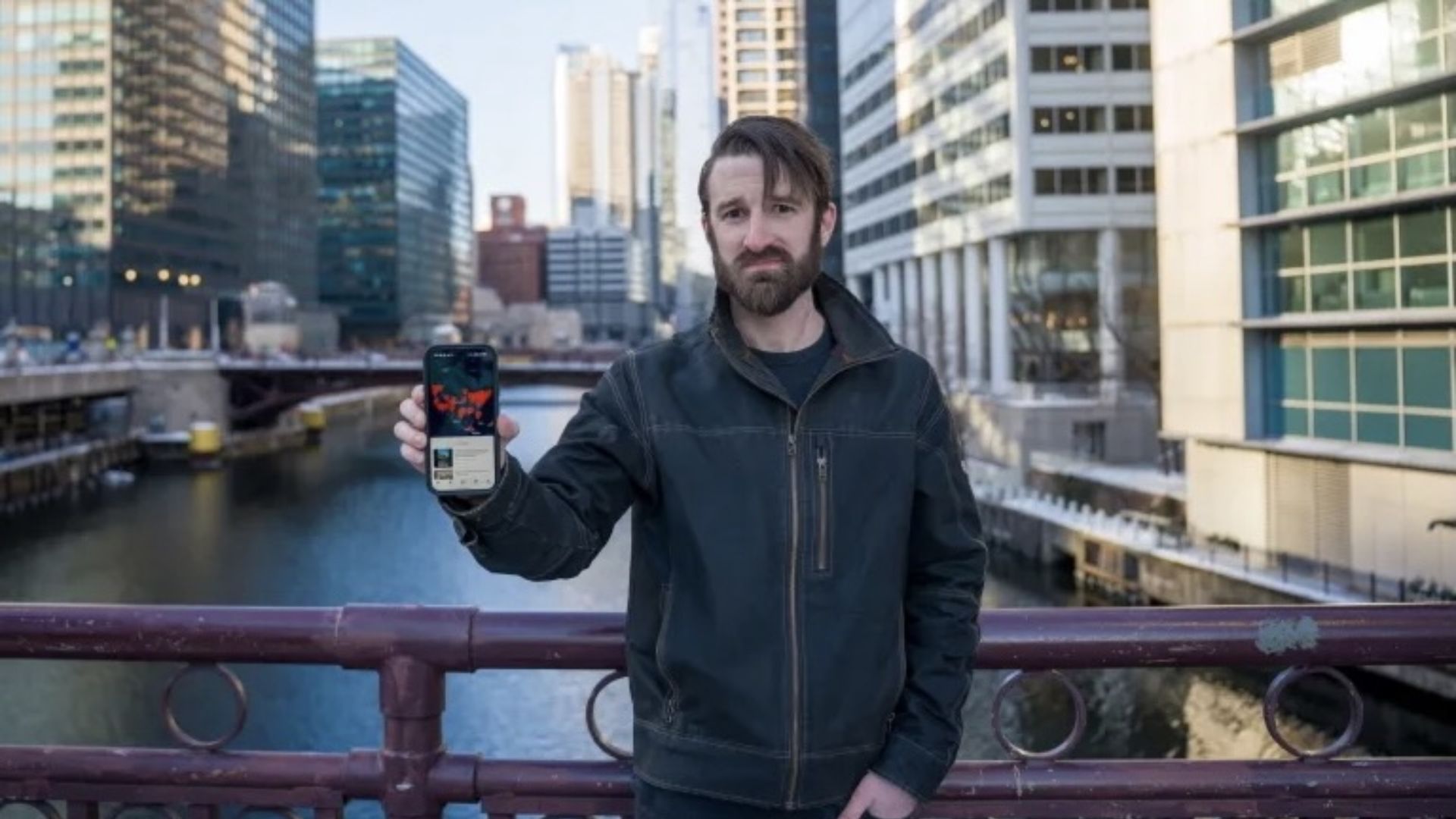
Indiana – An Indiana man built an app so people could share videos of immigration enforcement. Apple removed it from the App Store. Now a federal court order tells the government to stop pressuring Apple to keep it there.
The same order protects a Chicago Facebook group that grew to nearly 100,000 members as residents shared information about Immigration and Customs Enforcement activity. For both platforms, the question was whether federal officials could push a private company to silence speech they disliked.
U.S. District Judge Jorge L. Alonso made an earlier injunction permanent on Nov. 13 after attorneys for both sides filed a joint motion.

Credit: ICE
The order bars federal officials from formally or informally demanding that Apple suppress Eyes Up, an app created by Brown County resident Mark Hodges. It also bars pressure on Facebook to suppress “ICE Sightings – Chicagoland,” the group created by Kae Rosado. The case is now dismissed with prejudice.
Eyes Up lets users submit videos of ICE activity. Hodges and his moderators review the videos before they appear on a map of the United States, according to the Foundation for Individual Rights and Expression, which brought the lawsuit. Rosado started her Facebook group in January 2025 for people to share information about ICE operations around Chicago.
Both platforms ran into trouble in October 2025. Apple removed Eyes Up along with other apps sharing information about ICE activity.
Read also: The least popular Indiana governor in decades wants four more years

Credit: ICE
It told the company behind the app that it had received information from law enforcement and that Eyes Up violated an App Store rule against defamatory, discriminatory or mean-spirited content. Facebook disabled Rosado’s group around the same time, saying it had repeatedly violated community standards.
Federal officials had publicly taken credit for the removals. Then-Attorney General Pam Bondi said the Justice Department had demanded that Apple remove a different app, ICEBlock. She also said the department had contacted Facebook before it took down a Chicago group that officials alleged was being used to target ICE agents.
Hodges and Rosado sued in February 2026. In an April ruling granting preliminary relief, Alonso found that the two were likely to succeed on their claim that officials had violated their First Amendment rights through coercion. He pointed to the companies’ earlier approval of the platforms, their decisions to remove them after government contact, and officials’ statements taking credit for those decisions.
The permanent order goes a step further than telling officials to stop. Within seven days of its issuance, government attorneys must send written notice to Apple and Meta, including people previously contacted about removing the platforms. They must also document those notices for the plaintiffs’ lawyers. The order does not itself direct Apple to restore Eyes Up or Facebook to restore Rosado’s group.
“I’m glad the government agreed to stop targeting my speech, but it shouldn’t take a lawsuit,” Hodges said in a statement released by FIRE. He said people have a right to know what their government is doing and hoped others could share what they witness without facing similar pressure.


