
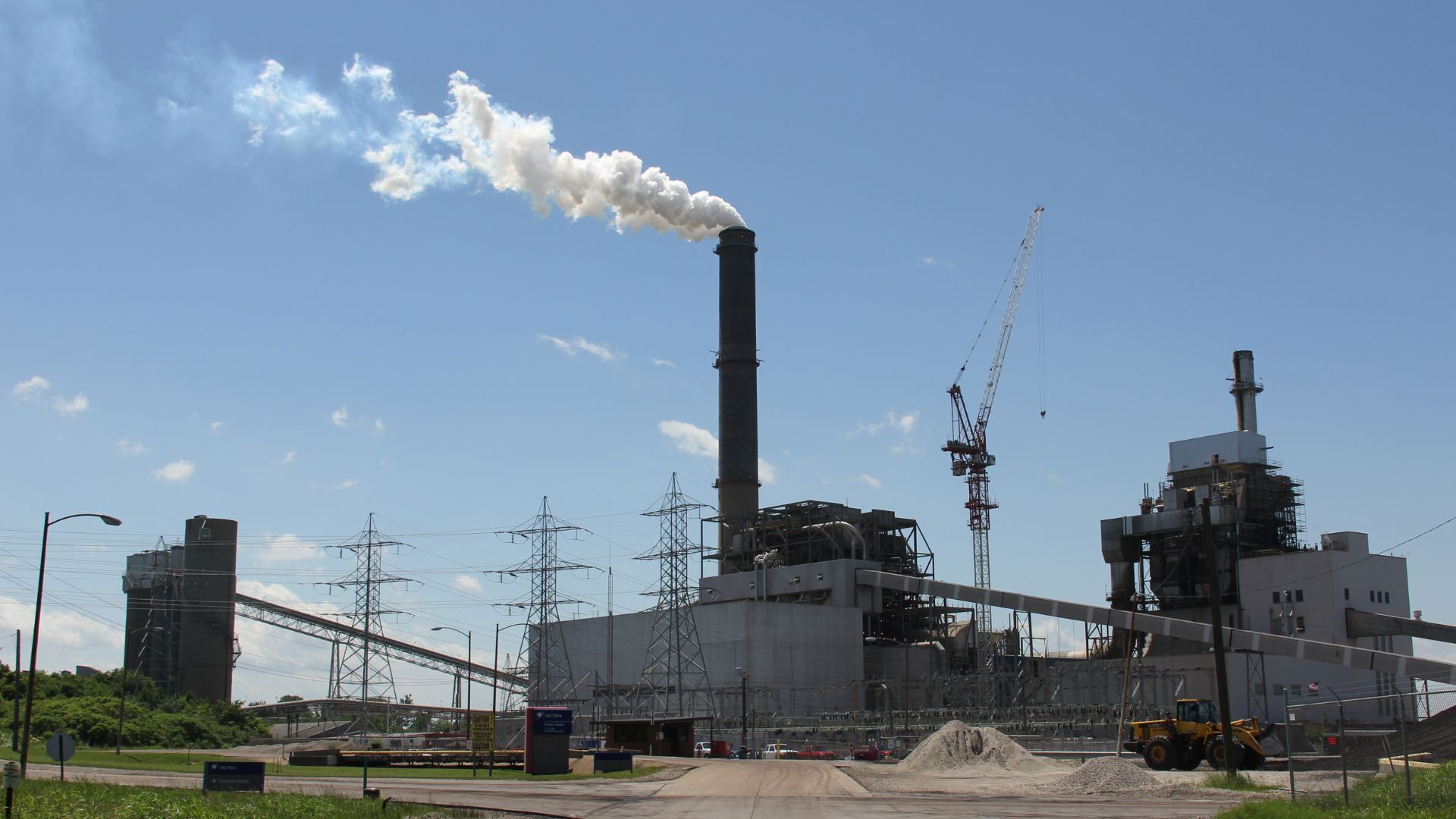
Indiana – Indiana’s power grid is heading into another winter with two coal plants that were supposed to have already begun shutting down. Instead, the Trump administration is keeping key units available for several more months, arguing that the Midwest cannot afford to lose dependable generation during periods of high electricity demand.
The decision centers on the R.M. Schahfer Generating Station in Wheatfield and the F.B. Culley Generating Station in Warrick County. U.S. Energy Secretary Chris Wright issued emergency orders requiring Northern Indiana Public Service Company, CenterPoint Energy and the Midcontinent Independent System Operator, or MISO, to keep specified units at the plants available to operate. Certain units at both facilities had been scheduled to close at the end of 2025.
The latest actions are DOE Orders No. 202-26-46 and No. 202-26-47, issued under Section 202(c) of the Federal Power Act. They cover Schahfer Units 17 and 18 and Culley Unit 2, respectively. The orders took effect September 20 and are scheduled to remain in place through December 18, 2026. DOE also directed the utilities and MISO to use economic dispatch in an effort to minimize costs while the units remain available.
The action continues a series of federal interventions that began on December 23, 2025, when DOE first ordered the Indiana units to stay available. Those initial orders were later followed by additional extensions through the spring and summer. According to DOE, the plants have since been used during periods when electricity demand was high and intermittent generation was lower, including during Winter Storm Fern.
The department says keeping the plants available is intended to reduce the risk of power shortages and blackouts across the MISO region, particularly during extreme weather. DOE has also pointed to its Resource Adequacy Report, which warns that retiring dependable generation before adequate replacement capacity is available can increase reliability risks.
“Forcing reliable, dispatchable coal generation off the grid would compromise energy reliability and needlessly raises energy costs for Americans,” Wright said. He also argued that Midwestern households should have access to reliable and affordable power regardless of weather conditions affecting wind and solar generation.
The administration has made preventing coal plant retirements a broader part of its energy policy. DOE says more than 17 gigawatts of coal-fired electricity generation that had been expected to go offline in 2025 remained available instead. The department has issued similar emergency orders involving generating plants in several other states.
In Indiana, the immediate effect is straightforward: the specified Schahfer and Culley units must remain ready for MISO to call on if grid conditions require them. The order does not mean the plants must run continuously, but it keeps them from becoming unavailable during the covered period.
For customers across the Midwest, the administration frames the move as a reliability safeguard as colder weather approaches. The latest orders extend that federal strategy through most of the fall and into December, keeping two Indiana coal facilities in the regional power mix while DOE and grid operators continue to monitor supply, demand and weather-related risks.


