
Indianapolis, Indiana – Indiana is putting a new map in front of investors, one that reaches from urban neighborhoods to rural communities and covers nearly one-quarter of the census tracts eligible for the next round of federal Opportunity Zone incentives.
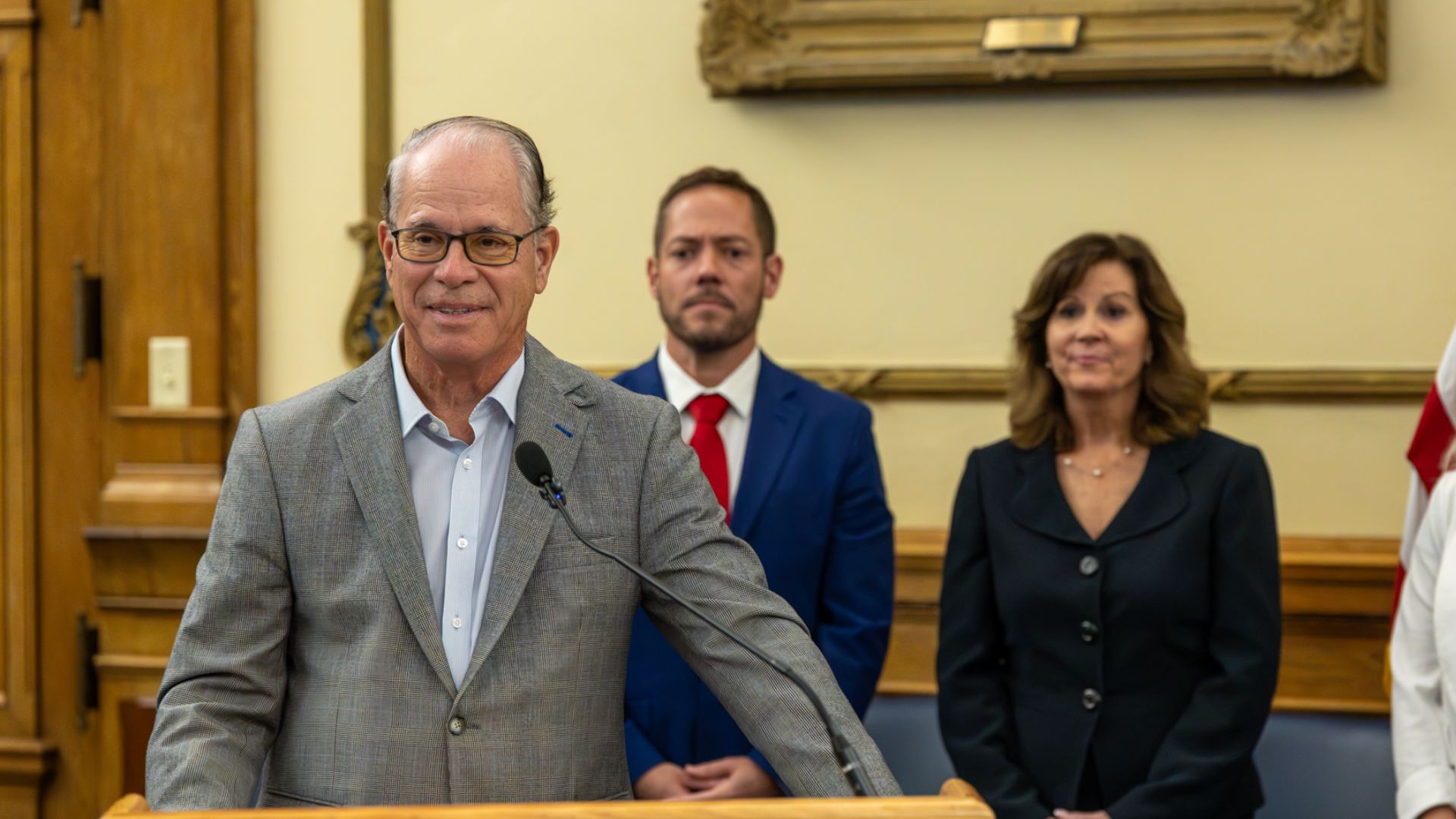
Gov. Mike Braun announced Sept. 25 that the state has submitted 126 census tracts to the U.S. Department of the Treasury for possible designation during the 2027-2036 Opportunity Zone cycle. The nominations span all 15 of Indiana’s economic development regions, touch all or parts of 61 cities and towns and 47 counties, and include 42 rural census tracts.
Opportunity Zones are intended to encourage private investment in economically distressed areas by offering federal tax incentives to investors who put capital into qualifying projects. Congress created the program in 2017. The updated version, commonly called Opportunity Zone 2.0, was made permanent through federal legislation enacted in 2025, with new zones to be selected every 10 years.
“As a state, Indiana is committed to creating a pro-growth business climate that attracts investment and talent, creates jobs and raises wages for Hoosiers,” Braun said.
“Opportunity Zones will further spark investment and development in previously overlooked areas, giving urban and rural communities across our state another tool to attract growth, advance economic development and ensure opportunity for Hoosiers.”
Read also: Bloomington weighs $7.3 million bond as parks system maps out major facility upgrades
Indiana was allowed under federal law to nominate up to 126 of its 501 eligible census tracts, meaning the state used its full allocation for the upcoming cycle. Treasury must still certify the nominations before the designations become official. If approved, the new zones will take effect Jan. 1, 2027, and remain in place through Dec. 31, 2036.
The state said the selection process combined economic and demographic data with evidence of potential development projects and local priorities. Officials also considered how proposed tracts aligned with state and regional initiatives, including the Regional Economic Acceleration and Development Initiative, or READI.
Public input also played a role. Local governments, economic development organizations, investors, developers and community groups were among those invited to recommend eligible areas during the state’s nomination period. State officials then reviewed those suggestions alongside broader economic measures and development plans.
Read also: Bloomington begins fall leaf collection Oct. 19 with curbside pickup running through December
Indiana Secretary of Commerce Chuck Goodrich said the nominations were designed to balance need with the ability to attract investment.
“Thanks to the Governor’s leadership, Indiana is investing in business and community development in unprecedented ways, and I’m confident these Opportunity Zone nominations will create new opportunities for growth and prosperity statewide,” Goodrich said.
“We combined extensive data analysis with local and regional priorities to identify communities that demonstrate both economic need and the potential to attract investment.”
The state has published a full list and interactive map of the proposed 2027-2036 zones through the Indiana Economic Development Corporation’s Opportunity Zone map. Additional details about the selection process and program are available on the state’s Indiana Opportunity Zones page.
For the communities on the list, the next step now rests with the federal government. Treasury certification would turn the nominations into a decade-long investment framework beginning in 2027, giving qualifying Indiana communities another tool to compete for private capital, redevelopment and job growth.


