
A federal grand jury has declined to bring sedition charges against six Democratic lawmakers, from Michigan, Pennsylvania, Arizona, and New Hampshire. With this decision, the federal grand jury delivered a legal setback to the Trump administration’s effort to pursue criminal penalties over a short video message aimed at members of the military and intelligence community.
According to three sources familiar with the matter, the Department of Justice sought indictments against the group after they appeared in a video reminding service members that they are required under the Constitution to refuse unlawful orders. The effort was led by U.S. Attorney Jeanine Pirro in Washington, D.C. The grand jury’s refusal to move forward halted the case before charges could be filed.
The dispute traces back to a video featuring Representatives Jason Crow of Colorado, Maggie Goodlander of New Hampshire, Chris Deluzio of Pennsylvania, and Chrissy Houlahan of Pennsylvania, along with Senators Mark Kelly of Arizona and Elissa Slotkin of Michigan. In the recording, the lawmakers emphasized that military and intelligence personnel have a duty to follow lawful commands and to reject orders that violate the Constitution.
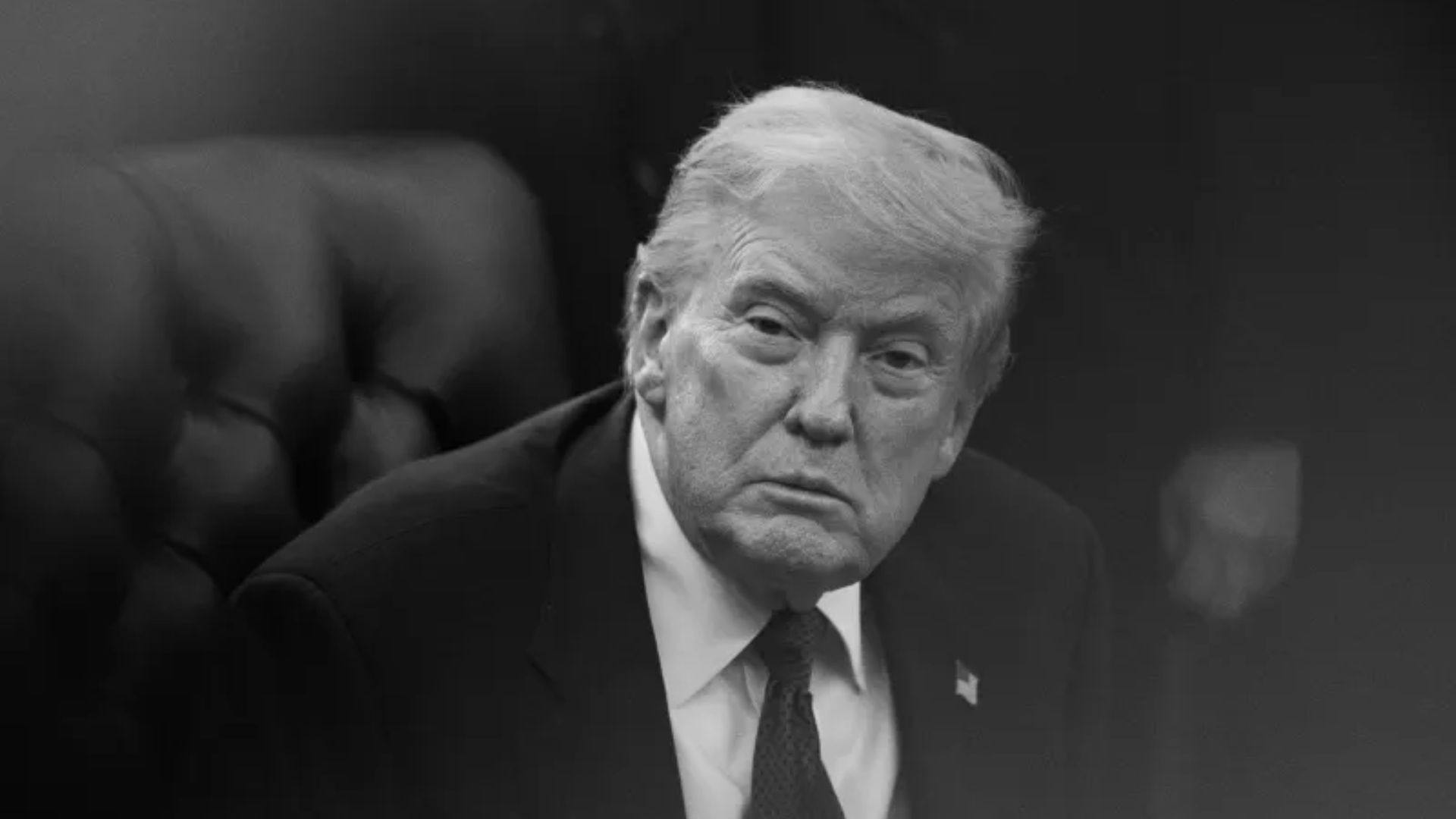
President Donald Trump previously reacted forcefully on Truth Social, calling the lawmakers’ conduct “SEDITOUS BEHAVIOR FROM TRAITORS!!! LOCK THEM UP???” His public statements were followed by reported efforts within the Justice Department to explore criminal charges.
Sources said Pirro’s office relied on political appointees rather than career prosecutors in pursuing the case, a move that drew scrutiny. NBC News reported that the administration had dismantled the Justice Department’s Public Integrity Section, the division that traditionally handles investigations involving members of Congress. Critics said that decision raised concerns about whether normal safeguards were bypassed.
After news of the grand jury’s decision became public, several of the lawmakers responded sharply.
Senator Mark Kelly wrote on X that the attempt to prosecute him was designed to silence dissent.
“This is an outrageous abuse of power by Donald Trump and his lackies. It wasn’t enough for Pete Hegseth to censure me and threaten to demote me, now it appears they tried to have me charged with a crime — all because of something I said that they didn’t like. That’s not the way things work in America,” he said.
Read also: Trump’s ‘massive illegal crackdown’ is failing, but he eyes new controversial decision
Senator Elissa Slotkin similarly framed the grand jury’s refusal to indict as a defense of constitutional rights.
“Today, U.S. Attorney Jeanine Pirro attempted to persuade a Grand Jury to indict me. This was in response to me organizing a 90-second video that simply quoted the law. Pirro did this at the direction of President Trump, who said repeatedly that I should be investigated, arrested, and hanged for sedition,” she wrote.
The administration has defended its position by arguing that the lawmakers’ statements risked undermining military discipline and national security. Stephen Miller, then White House deputy chief of staff for policy, said in a Fox News appearance that encouraging service members to question orders could carry serious consequences and that such conduct should not go unanswered.
At the center of the controversy are broader constitutional questions. The lawmakers contend that their remarks fall under protections granted by the Constitution, including the speech or debate clause. The failed indictment also highlights tension over the executive branch’s authority when dealing with members of Congress, particularly those with military backgrounds.
Democrats have accused the administration of attempting to weaponize the Justice Department against political opponents. The grand jury’s decision not to proceed has intensified that debate, underscoring concerns about the independence of federal law enforcement.
The legal conflict is not entirely over. Kelly remains engaged in a separate court dispute with Hegseth, and Democratic lawmakers have indicated they may pursue further legal steps related to what they describe as politically motivated investigations.
For now, the grand jury’s refusal to indict marks a significant moment in a clash that has blended politics, national security, and constitutional law. It leaves unresolved questions about the limits of executive power and the boundaries of speech when elected officials address the armed forces.


